

How lakes form
A visual guide to glacial, volcanic, tectonic, oxbow, reservoir, crater, and coastal lake formation.
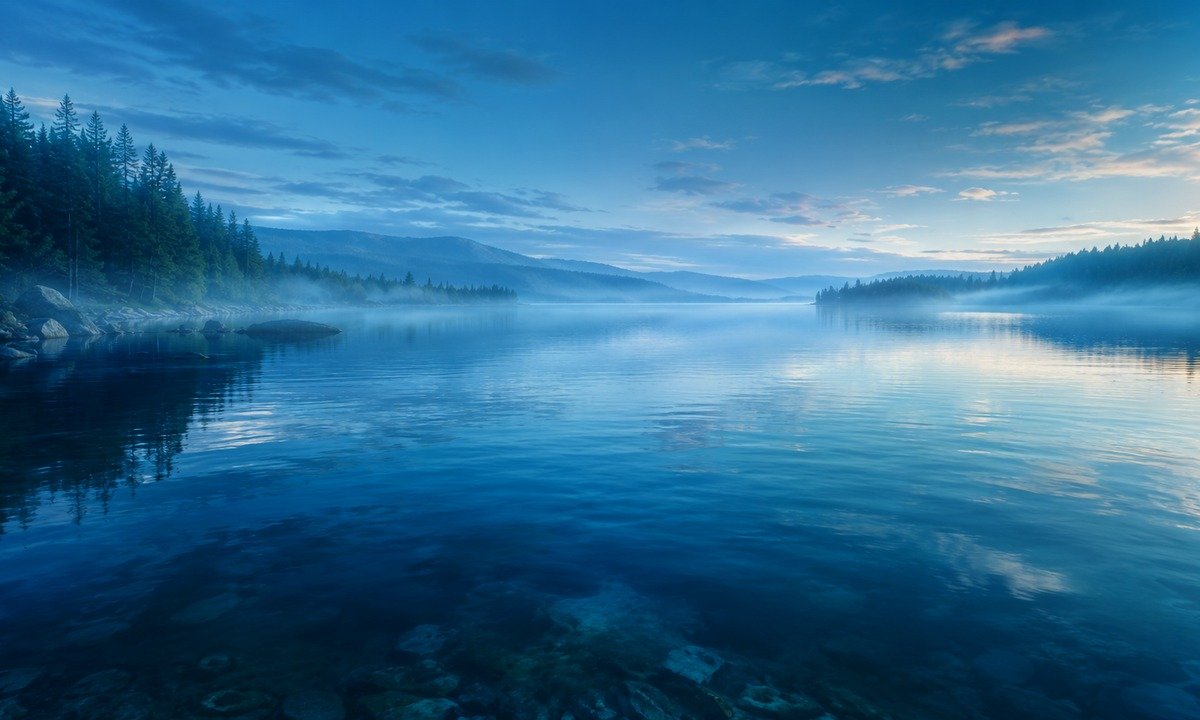
How lakes form
Lakes can form when ice carves basins, rivers abandon bends, volcanoes collapse into craters, faults pull land apart, dunes block drainage, or people build reservoirs.
Formation explains why one lake is round and deep, another is long and narrow, and another is shallow and marshy. Shape is often a clue to history.
This page should connect simple diagrams with real lake examples as the site grows.
Explore more
Use these links to keep moving through the site.
Source-first publishing
Use public scientific, government, public-domain, or clearly licensed information.
Editable pages
Headings, images, body text, and buttons are created as Elementor widgets.
Mobile-first structure
Sections, images, cards, and maps are scaled for phones first.