

Lake Facts
Plain-language explainers help readers understand lake size, depth, formation, ecology, water quality, and source limits.
Lake Facts
Plain-language explainers help readers understand lake size, depth, formation, ecology, water quality, and source limits.
Explore more
Use these links to keep moving through the site.
How many lakes are on Earth?
A plain-language explanation of why global lake counts change depending on minimum size, source dataset, and whether reservoirs or temporary waters are included.
Largest lakes
Why surface-area rankings depend on definitions, water levels, connected basins, reservoirs, and whether inland seas are included.
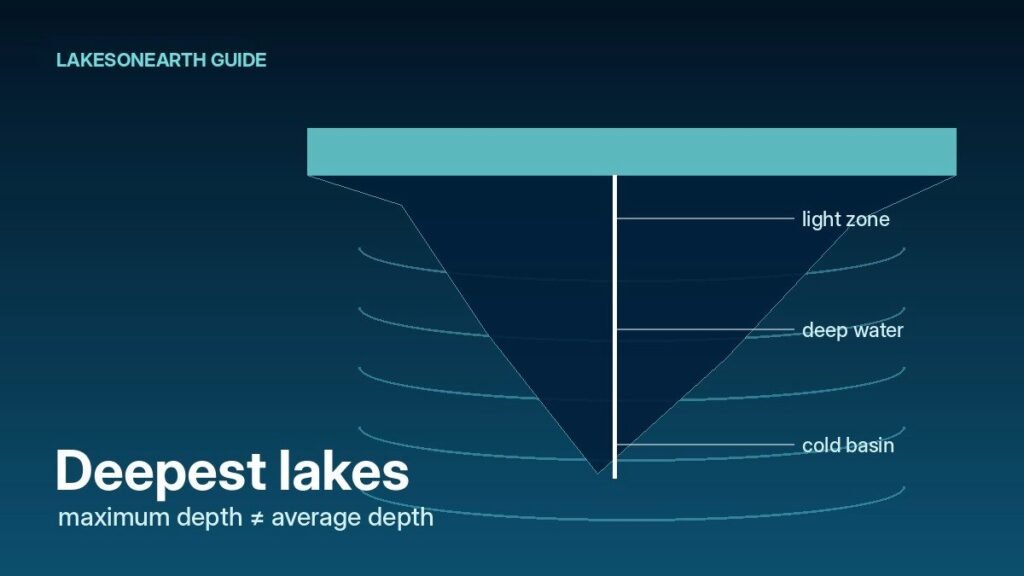
Deepest lakes
How maximum depth, average depth, estimated depth, and measured depth differ—and why the distinction matters.
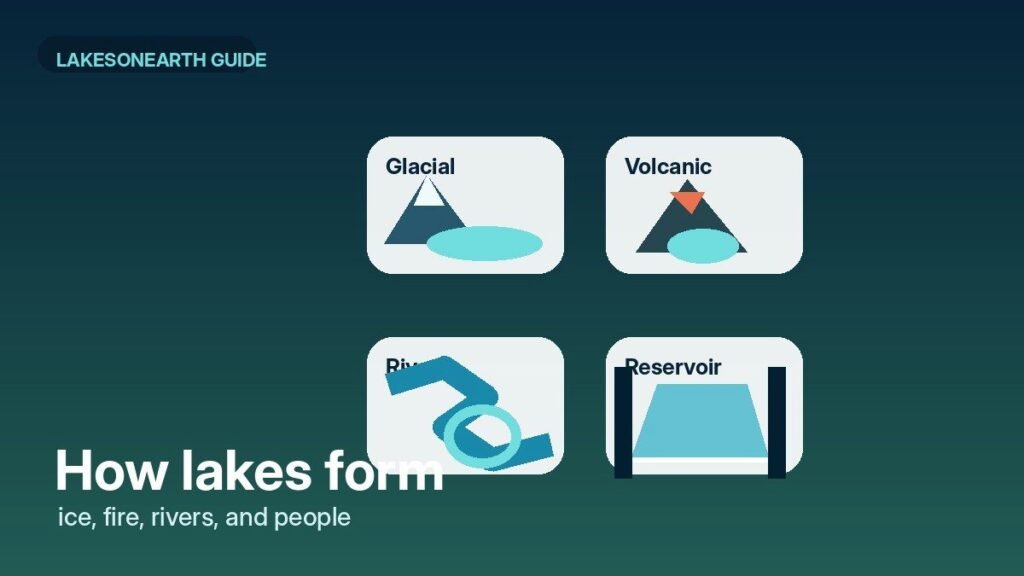
How lakes form
A visual guide to glacial, volcanic, tectonic, oxbow, reservoir, crater, and coastal lake formation.
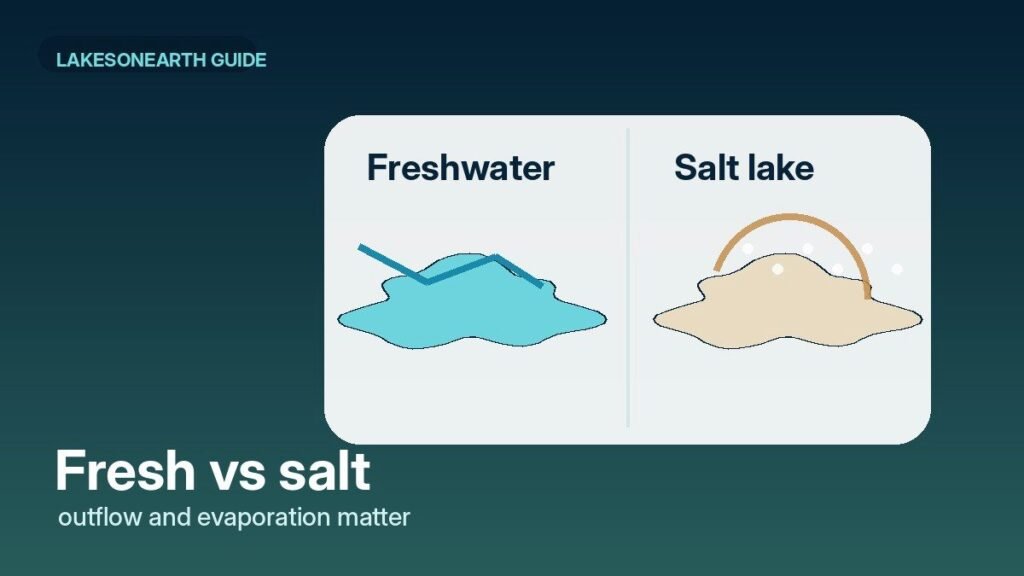
Freshwater vs salt lakes
A simple guide to salinity, endorheic basins, inflow, outflow, evaporation, and mineral concentration.
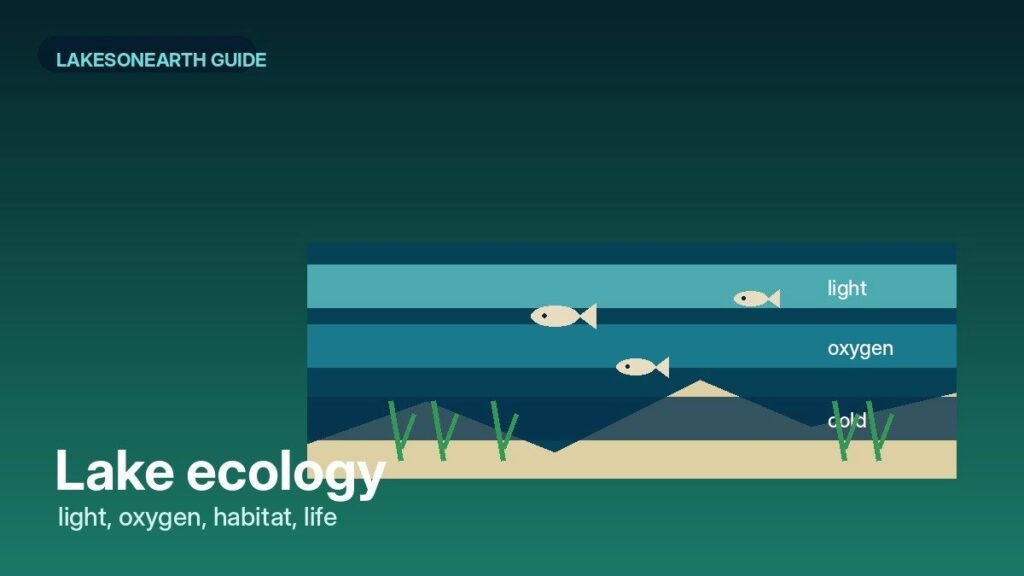
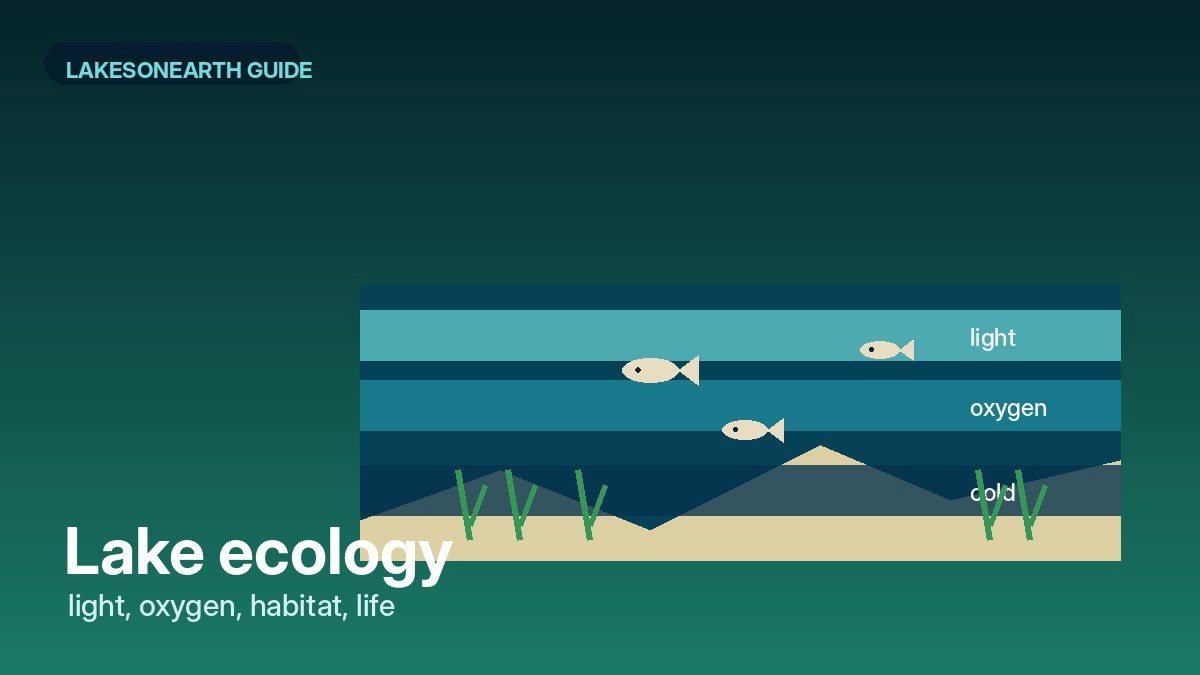
Lake ecology
Water quality, algae, stratification, oxygen, invasive species, wetlands, fish habitat, and shoreline basics.